
Our Technology and Equipment
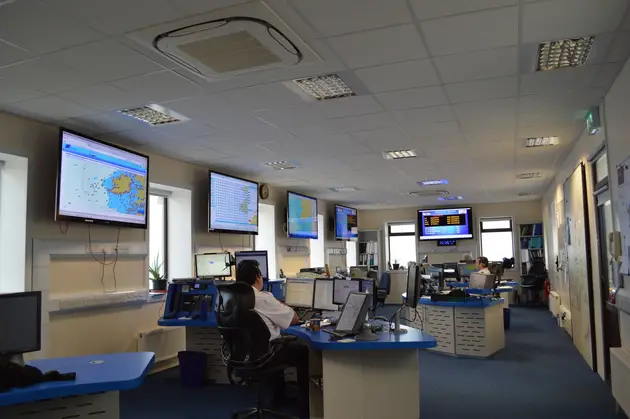
Rescue Coordination Centres technology and equipment
Rescue Coordination Centre Valentia
- The Rescue Coordination Centres (RCCs) use many different systems and equipment to monitor the Irish coastline. They manage the coast radio network, which covers all of Ireland’s coastline as well as 200nm out to sea. They use short range VHF radios, longer range MF/HF radios and a system called DSC. DSC allows vessels send an instant distress to the Coast Guard or any other rescue organisation from anywhere in the world.
- They also use NAVTEX, which sends safety messages to ships and TETRE, a radio system that helps them talk to other emergency services.
- All radio and phone systems are integrated between the three Coordination Centres, which means they can always stay connected even if one is offline.
- The Coast Guard also manages the AIS network, which tracks ships around Ireland and in the wider search and rescue area.
Aviation fleet
In 2025, we reached a major milestone by upgrading our aircraft. These modern fixed wing aircrafts and helicopters are based in Shannon, Dublin, Sligo and Waterford.
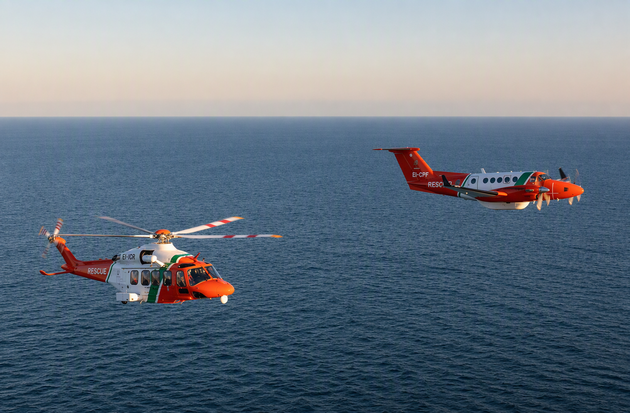
AW189 Helicopters
- These are helicopters built for long-distance rescues. They can fly at speeds of over 300 km/h and carry up to 19 people. They use infrared cameras to spot the heat from a person’s body, even in freezing water or pitch-black darkness. The AW189 uses next generation white phosphor night vision systems.
- The AW189 is equipped with two highly advanced digital rescue hoists, providing 100% backup for this critical equipment.
- It has a modern weather camera, a highly capable search camera and full aircraft anti-icing system.
- Custom mission systems have been designed which will help crews find people in distress more quickly. A number of onboard sensors will provide real-time information to all crew using multiple large HD touch-screen monitors and cockpit displays.
- Augmented Reality technology will layer vital information on top of video displays, making it simpler for crews to control complex situations and find people faster.
Beechcraft B200 King Air aircrafts
- Based in Shannon, these two aircrafts are on 30 minutes notice for take-off 24 hours a day. Their functions include supporting search and rescue incidents, environmental monitoring and ship casualty response.
- The aircrafts are capable of being on scene within the Irish Exclusive Economic Zone within 90 minutes after take-off.
- Is able to coordinate search and rescue operations as well s providing SAR Top Cover service.
- Is capable of deploying two or more life rafts, which can collectively hold 20 people.
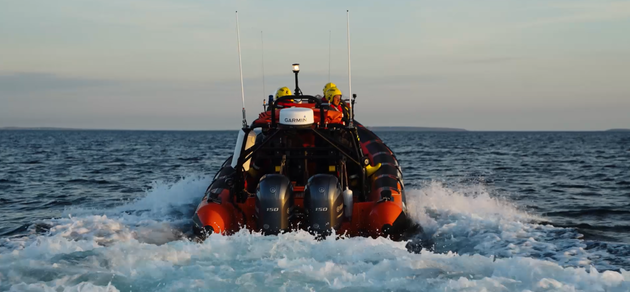
maritime fleet
The Irish Coast Guard Operate Rigid Hull Inflatable Boats (RHIBs) and D Class Fully Inflatable Inshore Rescue Boats.
D Class – Fully Inflatable Inshore Rescue Boat
- Based in 13 Coast Guard Units across the Coast available for Search and Rescue taskings.
- Maximum speed of 20 knots.
- Endurance of 60 Nautical Miles and Maximum speed.
- Capable of operating in shallow waters and close quarter manoeuvring.
- Operates up to 2 Nautical miles from the coast.
Rigid Hull Inflatable Boat (RHIB)
- Based in 18 Coast Guard Units across the Coast available for Search and Rescue taskings.
- The Irish Coast Guard operate 4 different makes of RHIB.
- Maximum speed of 40 knots.
- Endurance up to 150 Nautical miles at Maximum speed.
- Operates up to 6 Nautical miles from the coast.
- Can operate both day and night.
Drones
The Irish Coast Guard started using drones in 2017 with three small teams. By 2026, this grew to 18 Units around Ireland’s coast, with around 7 trained volunteers ready to respond at any time.
Teams use drones both day and night to search for missing people, look in hard-to-reach places, livestream scenes to help rescuers, provide light for search teams and give warnings to the public through speakers.
The Coast Guard uses two types of drones, depending on the location on the coastline. The drones are equipped with a thermal camera which helps to find people in the dark or through smoke. The drones can livestream video and create a map of the incident site.
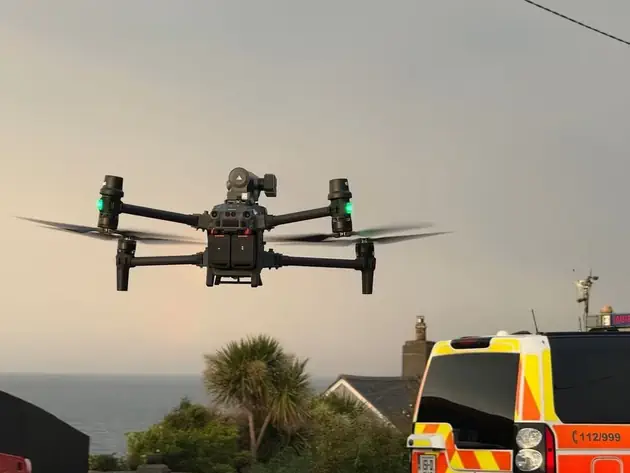
How our Drones Help Save Lives!
BEFORE YOU HEAD OUT
Even with our helicopters and drones, the best way to stay safe is to be prepared. Weather is the most important factor to consider before any trip to the coast.
Check the latest weather and sea conditions on Met Éireann