

Beach Safety
Ireland’s beaches are perfect for a day of fun, but the sea is powerful and can change quickly. Whether you are swimming, walking or playing in the sand, it is important to know the local risks like tides and currents. Follow our simple safety steps to ensure your visit is memorable for all the right reasons.
Beach Safety Tips
1.Swim where it’s supervised
Always choose a beach with lifeguards on duty. They’re trained to spot risks and respond quickly if something goes wrong.
2.Know the flags and signs
Beaches use flags and signs to show where it’s safe to swim and highlight any risks. Always check them when you arrive.
3.Plan ahead
Different times of year bring different challenges. Summer might mean stronger sun and busier beaches, while colder months can mean rougher seas and colder water temperatures. Planning ahead helps you enjoy the beach safely, whatever the season.
4.Stay within your depth
Even if you’re a strong swimmer, stick to areas where you can stand. Cold water and waves can tire you quickly.
5.Don’t swim alone
Always swim with others and make sure someone on shore is keeping an eye on you. It’s one of the simplest ways to stay safe.
6.Keep children close
Children should always be supervised near water. Bright clothing makes them easier to spot.
7.Leave inflatables at home
Inflatable toys and beds can be swept out to sea by wind and currents. They’re best kept for pools.
8.In an emergency, call 112 or 999
Ask for the Coast Guard. Quick action saves lives. Time matters – don’t wait.

Plan Ahead for a Safe Beach Day
Before heading to the beach, it’s important to do more than just pack your swimsuit. Proper planning can make the difference between a relaxing day and a risky one. Understanding beach flags and safety signs is essential but so is preparing for the changing conditions and potential hazards that come with coastal environments.
Check the weather and sea conditions
Always review the forecast, including wind speeds, tides, and currents. Conditions can shift rapidly, so staying one step ahead helps you avoid unexpected dangers.
Know the risks before you dive in
Beach fun can quickly turn hazardous. Rip currents, jellyfish, sharp rocks, and sudden drop-offs are common threats. Even confident swimmers can become fatigued or disoriented, so stay within your limits and remain alert.
Protect yourself from the sun
Apply sunscreen regularly, wear a hat and sunglasses, and seek shade during peak UV hours (usually midday). Planning for sun safety is just as important as water safety.
Never swim alone
Whether you’re a strong swimmer or just wading in, make sure someone on shore knows where you are. If you need help, visibility is key – being seen could save your life.
Pack smart
Bring essentials like towels, sunblock, water, snacks, and protective clothing. Sunburn, dehydration, and heat exhaustion are preventable with the right gear. A small first-aid kit and waterproof phone pouch can also be lifesavers.
Smart Swimming
In addition to checking weather conditions and knowing where lifeguards are stationed, it’s important to swim smartly and with caution when enjoying the beach. The ocean is unpredictable, and even experienced swimmers can find themselves in trouble if they’re not prepared.
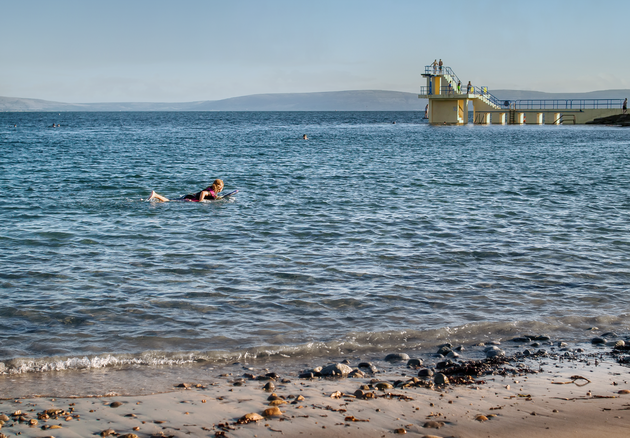
Understand rip currents
Rip currents are strong, narrow flows of water that move away from the shore. If you’re caught in one, don’t fight it. Instead, follow the “Float to Live” approach – lie on your back, stay calm, and signal for help. Swim parallel to the shore to escape the current before heading back in.
Respect your limits
Cold water, waves, and long swims can quickly lead to fatigue -even for strong swimmers. Take breaks, stay hydrated, and avoid pushing beyond your comfort zone.
Avoid swimming alone
Swimming with others or making sure someone on shore knows where you are is a great way to swim safer. If you need help, being visible is crucial.
Want to know more about smart swimming?
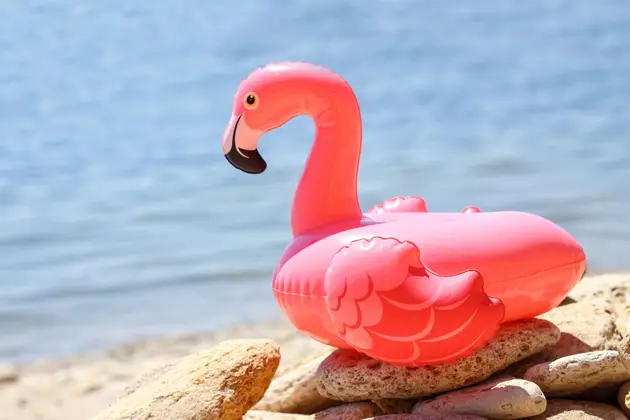
Inflatable Devices
While flotation aids like inflatables, armbands or swim rings may be fun in swimming pools, they can pose serious risks at the beach.
They are not designed for open water
Many flotation devices are made for pools, not for the unpredictable conditions of the sea.
Create a false sense of security
Flotation aids are not life-saving equipment and should never replace active supervision.
Can be swept away
Currents and offshore winds can quickly drag inflatables out to deeper water, putting children at risk.
Reduce the risks and leave inflatables at home.
If you see an inflatable that’s been blown out to sea, call 999 or 112 and ask for the Coast Guard.