
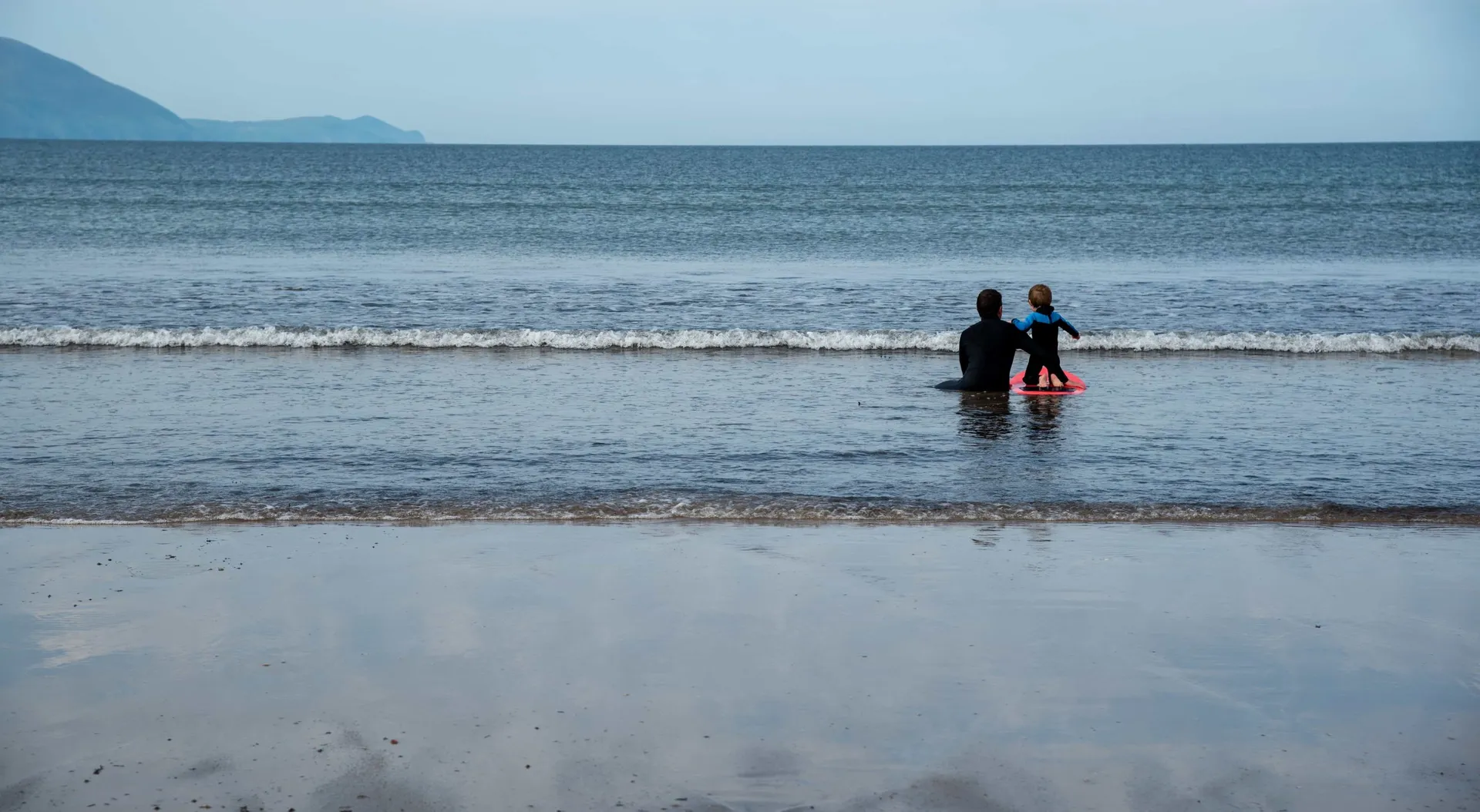
Water Safety
The sea is powerful, unpredictable, and ever-changing. Whether you’re swimming, boating, or just enjoying the coast, understanding the risks and taking simple precautions can save lives.
Water Safety Tips
1.Check the tide and weather
Tides can change quickly and trap you. Always check tide times and weather forecasts before heading out.
2.Swim at lifeguarded beaches
If possible, choose beaches with lifeguards and always swim between the red and yellow flags.
3.Wear a lifejacket when on the water
Whether you’re kayaking, paddleboarding, or boating, a properly fitted lifejacket can be the difference between life and death.
4.Avoid alcohol near water
Alcohol impairs judgment and coordination. Stay sober when swimming or operating watercraft.
5.Know your limits
Fatigue, cramp, or injury can strike without warning. Cold water shock is real. Know your limits and don’t take unnecessary risks.
6.Tell someone your plans
Let someone know where you’re going and when you expect to return, especially if you’re going out alone.
7.Carry a means of calling for help
A VHF (Very High Frequency) radio or a mobile phone in a waterproof pouch o can be vital in an emergency.
8.Watch for rip currents
If caught in a rip current, don’t swim against it. Swim parallel to the shore until you’re free, then head back in.
9.Keep children within arm’s reach
Always supervise children closely near water, even if they can swim.
10.Expect the unexpected
Conditions can change fast. Stay alert, stay flexible, and be ready to turn back if needed.
11.In an emergency, call 112 or 999
Ask for the Coast Guard. Stay calm, give clear information, and follow instructions.
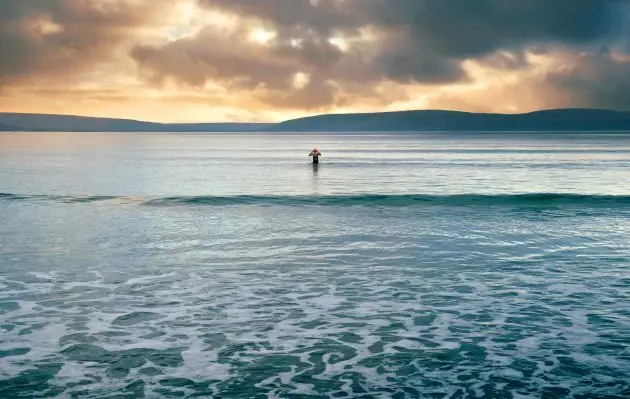
Open Water Swimming
Swimming in open water is refreshing and rewarding – but it’s very different from a pool. Cold temperatures, currents, and changing conditions can catch you off guard. Preparation and awareness are key to staying safe.
Acclimatise slowly
Enter the water gradually to avoid cold water shock. Splash your face and neck first to help your body adjust.
Never swim alone
Always swim with someone else or have someone watching from shore. If something goes wrong, help needs to be close.
Bring warm clothes for afterwards
Even after you leave the water, your body can continue to lose heat. This is known as afterdrop. To help your body recover safely, dry off as soon as possible, change into warm clothing, and find shelter from the wind.
In an emergency, call 112 or 999
Ask for the Coast Guard. Quick action saves lives.
Wear a bright swim cap and tow float
These make you more visible to boats and rescuers. A tow float can also help you rest if needed.
Know the area
Check for tides, currents, and safe exit points before you swim. Avoid unfamiliar or isolated spots.
Carry a phone in a waterproof pouch
If you’re swimming near shore, a waterproof phone case can be a lifeline in an emergency.
Cold Water Shock
Cold water shock can happen when you suddenly enter cold water, triggering an involuntary gasp, rapid breathing, and panic. This can lead to drowning in seconds, even for strong swimmers and is a serious risk in Irish waters – even on warm days.
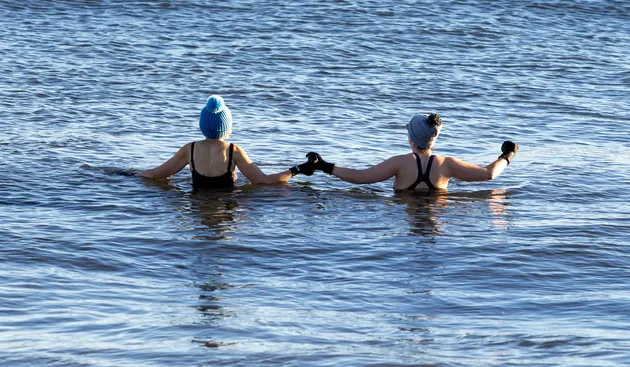
Know the risk
Cold water shock can occur in water below 15°C – common in Irish seas, rivers, and lakes year-round.
Float to live
If you fall in, fight the instinct to swim. Instead, float on your back, keep calm, and control your breathing.
Carry a means of calling for help
A waterproof phone pouch or personal locator beacon can be lifesaving in an emergency.
Don’t jump or dive in
Sudden immersion is dangerous. Enter the water slowly to give your body time to adjust.
Wear a wetsuit or flotation aid
If you’re planning to be in the water, wear appropriate gear to help retain body heat and stay buoyant.
In an emergency, call 112 or 999
Ask for the Coast Guard. Quick action saves lives.
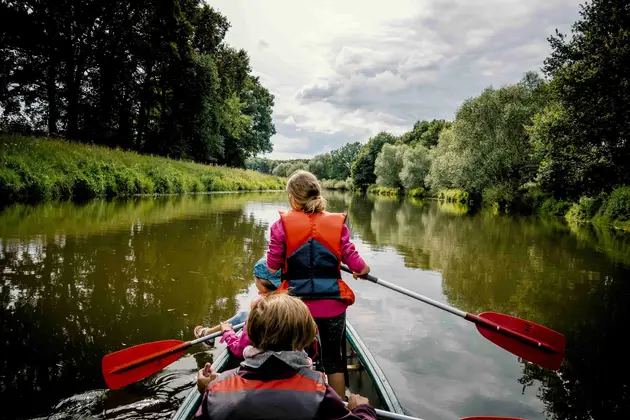
Paddle sports safety
Kayaking, canoeing, and paddleboarding are great ways to explore Ireland’s coastline and inland waters – but they require preparation and awareness. Conditions can change quickly, and even calm water can become dangerous.
Wear a buoyancy aid or life jacket
Always wear a properly fitted buoyancy aid. It keeps you afloat if you fall in and gives rescuers more time to reach you.
Check the weather and tides
Wind, waves, and currents can make paddling difficult or dangerous. Always check the forecast and tide times before setting out.
Never paddle alone
Go with others when possible. If you must go solo, tell someone your plans and expected return time.
In an emergency, call 112 or 999
Ask for the Coast Guard. Quick action saves lives.
Carry a waterproof means of calling for help
A VHF radio or a mobile phone in a waterproof pouch can be vital in an emergency. Keep it within easy reach.
Know your route and limits
Plan your trip carefully and avoid unfamiliar or exposed areas unless you’re experienced. Don’t push beyond your skill level.
Be aware of cold water risks
Even in summer, Irish waters are cold. Dress appropriately and know how to respond to cold water shock.
Boating and personal watercraft safety
Whether you’re heading out in a motorboat, sailing vessel, or jet ski, safety on the water starts with preparation. Conditions can change quickly, and even short trips require planning and the right equipment.
For more information, download the Department of Transport’s Code of Practice:
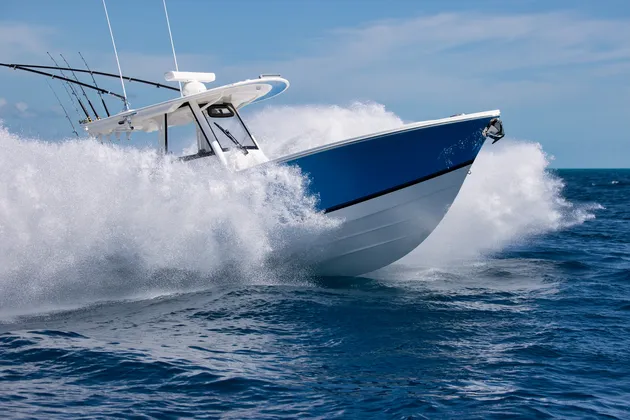
Always wear a life jacket
Everyone on board should wear a properly fitted life jacket. It’s your first line of defence in an emergency.
Know your boat and equipment
Make sure your vessel is seaworthy and that you know how to operate it safely. Carry essential safety gear including flares, a whistle, and a first aid kit.
Be cold water aware
Irish waters are cold year-round. Dress appropriately and know how to respond to cold water shock.
Carry a VHF radio or waterproof phone
VHF radio equipment is the recommended method of communication and boat users should be familiar with its use. The Irish Coast Guard can be contacted directly on Channel 16. Mobile phones should not be relied on and should only be considered as a backup means of communication. A mobile phone should be in a waterproof pouch on a lanyard.
Check the weather and sea conditions
Before launching, check the marine forecast. Avoid going out in poor conditions or if you’re unsure of your craft’s limits.
File a float plan
Tell someone where you’re going, who’s with you, and when you expect to return. It helps emergency services respond faster if needed.
Avoid alcohol on the water
Alcohol impairs judgment and reaction time. Stay sober when operating any watercraft.
In an emergency, call 112 or 999
Ask for the Coast Guard. Quick action saves lives.
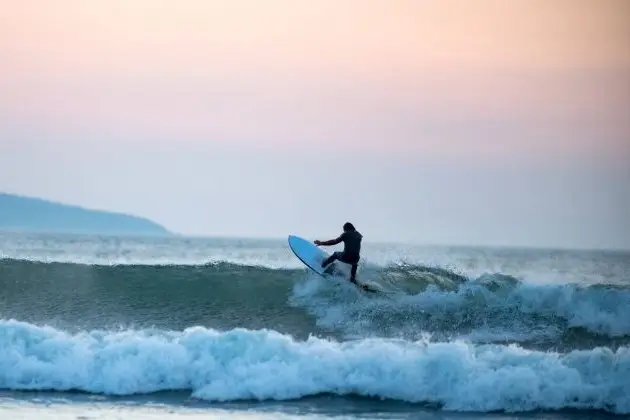
Surfing
Ireland’s coastline is beautiful but often harsh, cold, and unpredictable. Powerful waves, strong currents, and rocky shores can pose serious risks – especially for surfers who don’t typically wear lifejackets. Staying safe means understanding the conditions and being prepared every time you enter the water.
Know the conditions
Always check the surf forecast, tides, and weather before heading out. Avoid unfamiliar breaks or strong swell if you’re unsure of your ability.
Understand rip currents
Learn how to spot and avoid rip currents. If caught in one, don’t fight it – paddle parallel to the shore until you’re free, then head in.
Never surf alone
Surf with others when you can. If you’re alone, make sure someone on shore knows your plans.
In an emergency, call 112 or 999
Ask for the Coast Guard. Quick action saves lives.
Dress for the water, not the weather
Irish waters are cold year-round. Wear a suitable wetsuit to help prevent cold water shock and hypothermia.
Carry a means of calling for help
If possible, carry a waterproof phone or personal locator beacon. Let someone know where you’re surfing and when you plan to return.
Know your limits
Don’t push beyond your skill level. Conditions can change quickly, and even experienced surfers can get into trouble.
Stay afloat. Stay in touch
Never engage in any commercial or recreational boating activity without wearing a life jacket or personal flotation device, coupled with a capacity to raise the alarm via means such as a VHF radio, Personal Locator Beacon or EPIRB.