
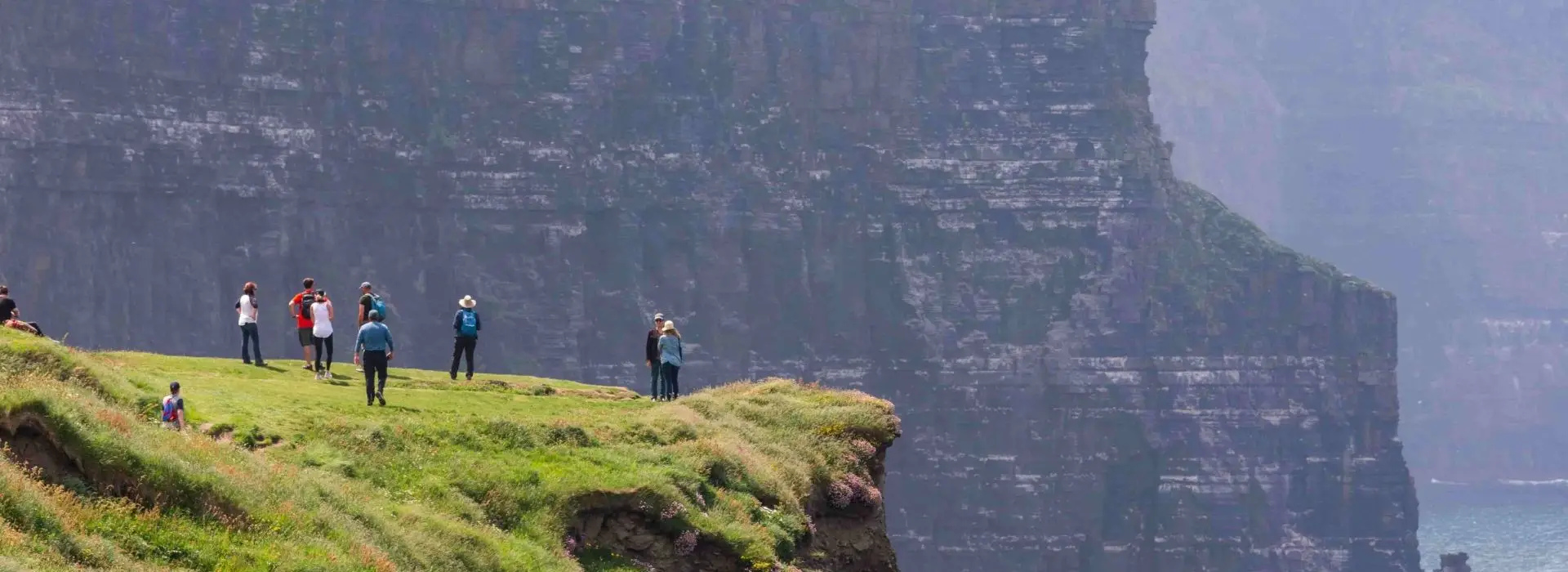
Coastal Safety
Cliff walking offers stunning views and a sense of escape – but it comes with risks that aren’t always visible. Cliffs can be more unstable than they look, and conditions can change quickly. Staying safe means being prepared and staying alert.
Coastal Safety Tips
1.Check the weather before you go
Wind, rain, and fog can make cliff paths dangerous. Always check the forecast and avoid cliff walks in poor conditions.
2.Stay on marked paths
Cliff edges can be unstable and prone to erosion. Stick to designated trails and keep a safe distance from the edge.
3.Make sure your phone is charged
In case of emergency, a working phone can be a lifesaver. Make sure it’s fully charged before you set out.
4.Tell someone your plans
If you’re heading out alone, let someone know where you’re going and when you expect to return.
5.Avoid climbing or descending cliffs
Cliffs are not for climbing unless you’re properly trained and equipped. Loose rock and sudden drops make it extremely risky.
6.Pay attention to signs – but don’t rely on them
Warning signs are important, but not all dangers are visible or marked. Erosion, loose ground, and sudden drops may not be obvious.
7.Supervise children closely
Children should be kept well away from cliff edges and under constant supervision.
8.Keep dogs on a lead
Even well-trained dogs can get startled or chase wildlife near cliffs. A lead keeps them safe. If they fall down a cliff do not go after them, call 999 and ask for the Coastguard.
9.In an emergency, call 112 or 999
In an Emergency, Call 112 or 999. Ask for the Coast Guard. Quick action saves lives.
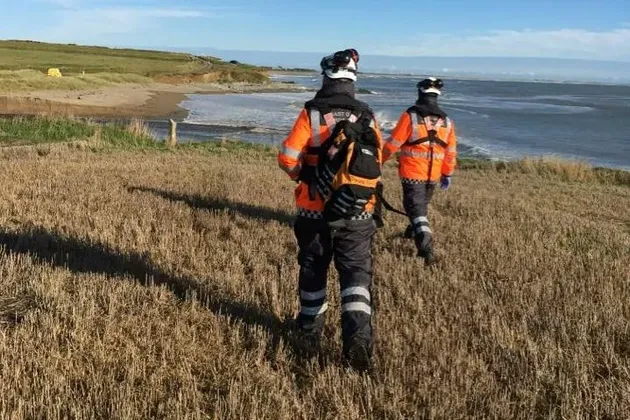
Cliff walking
Walking along the edge of the ocean is a breath-taking experience, but the ground beneath your feet can be far more fragile than it appears. To stay safe, always stick to marked paths and keep a respectful distance from the verge, as sudden gusts of wind or crumbling soil can happen without warning.
Stay well back from the edge
Loose rock, erosion, and sudden drops make cliff edges unpredictable. No photo is worth the risk.
Stay alert
Looking for the perfect angle can make you lose awareness of your surroundings. Always prioritise safety.
Don’t climb or lean over for a better shot or view
Climbing rocks or unstable ground for a photo is extremely dangerous and should be avoided.
Watch the wind
Strong gusts can affect your balance – especially when you’re focused on your phone or camera.
Don’t let children or pets wander for a photo
Keep them close and away from cliff edges. Their safety is more important than any picture.
In an Emergency, Call 112 or 999
Ask for the Coast Guard. Quick action saves lives.
Tidal cut-offs
A tidal cut-off happens when rising tides isolate parts of the coastline, such as sandbanks, causeways, or rocky outcrops, leaving walkers stranded with no safe route back. These areas may seem accessible during low tide but can become dangerous traps as the water returns – often faster and quieter than expected.
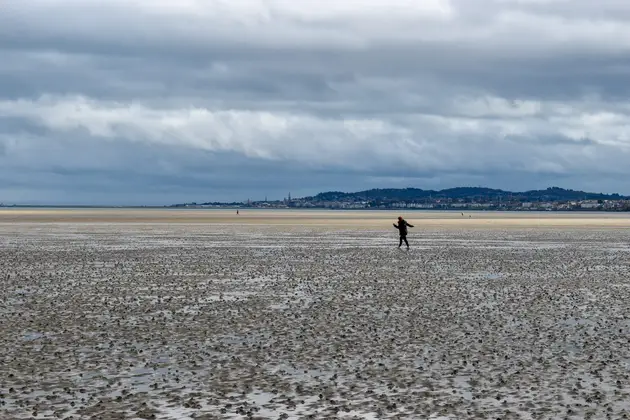
Check tide times before you go
Plan your walk around low tide and allow plenty of time to return.
Don’t try to wade through rising water
Currents can be strong and unpredictable. Turn back early if unsure.
Know your route
Some paths may be safe at low tide but disappear completely when the tide comes in.
In an emergency, call 112 or 999
Ask for the Coast Guard. Quick action saves lives.
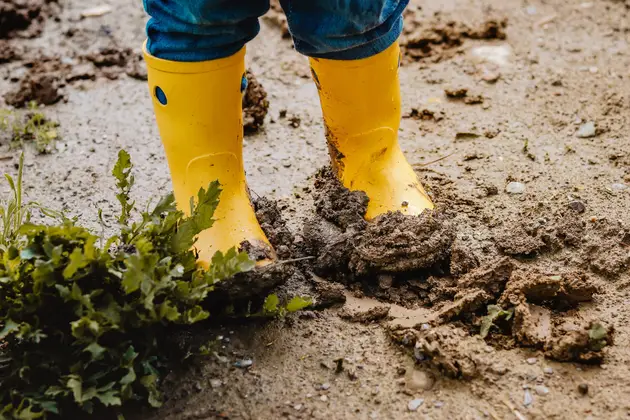
Mud and quicksand
Mudflats and salt marshes are low-lying coastal areas often found near estuaries, bays, and tidal inlets. They may look solid, but are made up of soft, waterlogged sediment that can trap feet, paws, or wheels. Quicksand-like conditions can occur when water saturates sand or silt, making it unstable and difficult to escape from.
Avoid Mudflats and Salt Marshes
These areas can be deceptively dangerous. What looks like firm ground may give way underfoot.
Don’t Try to Cross Muddy Areas
Even shallow-looking mud can be deep and sticky. Turn back and find a safer route.
Keep Dogs and Children Close
Curious explorers may wander into risky terrain. Stay on marked paths and keep pets on a lead.
In an emergency, call 112 or 999
Ask for the Coast Guard. Quick action saves lives.
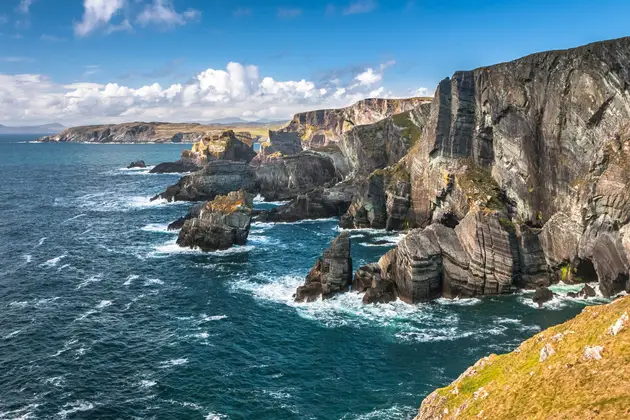
Rocks and caves
Rocky shorelines and sea caves can be beautiful but hazardous. Slippery surfaces, falling rocks, and rising tides pose serious risks.
Don’t Enter Sea Caves
Changing tides can result in rising water trapping you inside.
Watch for Falling Debris
Erosion and loose rock can cause sudden falls — stay alert.
Avoid Climbing on Wet or Slippery Rocks
Algae and sea spray make rocks slick and dangerous.
In an emergency, call 112 or 999
Ask for the Coast Guard. Quick action saves lives.
A safety checklist
- Know what mudflats and salt marshes are – they may look solid but can trap feet, paws, or wheels
- Avoid walking across muddy or soft ground, especially near estuaries or tidal flats
- Keep dogs and children close and on a lead near unstable terrain
- Check tide times before exploring beaches, caves, or causeways
- Be aware of tidal cut-offs – rising water can isolate parts of the shore quickly and silently
- Never try to wade through rising tides – currents can be strong and unpredictable
- Avoid entering sea caves unless you’re sure of tide timings
- Don’t climb on wet or slippery rocks – they can be unstable and dangerous
- Wear sturdy shoes and weather-appropriate clothing
- Bring food, water, and a fully charged mobile phone
- Stick to marked paths and avoid informal trails across soft or rocky ground
- Tell someone your plans and expected return time
- In an emergency, call 112 or 999 and ask for the Coast Guard
Remember
Stay back, stay high, and stay dry.